Menopause Geographies
Menopause and self-care
We were amazed and impressed with the amount of effort participants had put into learning about the menopause and working with their menopausal bodies. This ranged from reading books and articles (both popular and, especially amongst those with advanced degrees, medical or other scholarly literature); to listening to podcasts and following ‘menopause influencers’ on social media (especially Davina McCall and Dr Louise Newson), and attending (or forming) discussion groups, workshops or talks. One participant put this beautifully as a time of ‘an abundance of self-care’ and solidarity between women. Some participants were addressing symptoms with HRT: especially (though not exclusively) amongst the white middle-class women. Almost none of the 6 participants of Afro-Caribbean background had used HRT, often turning to natural remedies instead.
Experiences with the NHS in terms of both learning about the menopause and seeking out treatment varied widely. While some participants had felt well-served by the service, others had found it hard to get an appointment or told us they felt like they either hadn’t been listened to or that they had been directed very quickly to HRT. We found these experiences were particularly prevalent amongst women of colour and participants of Afro-Caribbean background in particular. As one participant put it: “My GP did not even engage in a conversation with me. He didn’t explore anything with me. All my GP wanted to do… was just whip out his pad and write me a prescription [for HRT]”. The menopause experiences of women of colour in the UK is a particularly under-researched area, but one recent study that echoes the findings noted above is Peart, 2024. This paper is referenced below and available for free through google scholar. This is an area that needs more study and attention from policymakers to make sure all women feel well served by healthcare providers. Those who did not feel the NHS had met their needs turned to various other routes instead, ranging from private menopause care (for those who could afford it), to support groups and natural remedies.
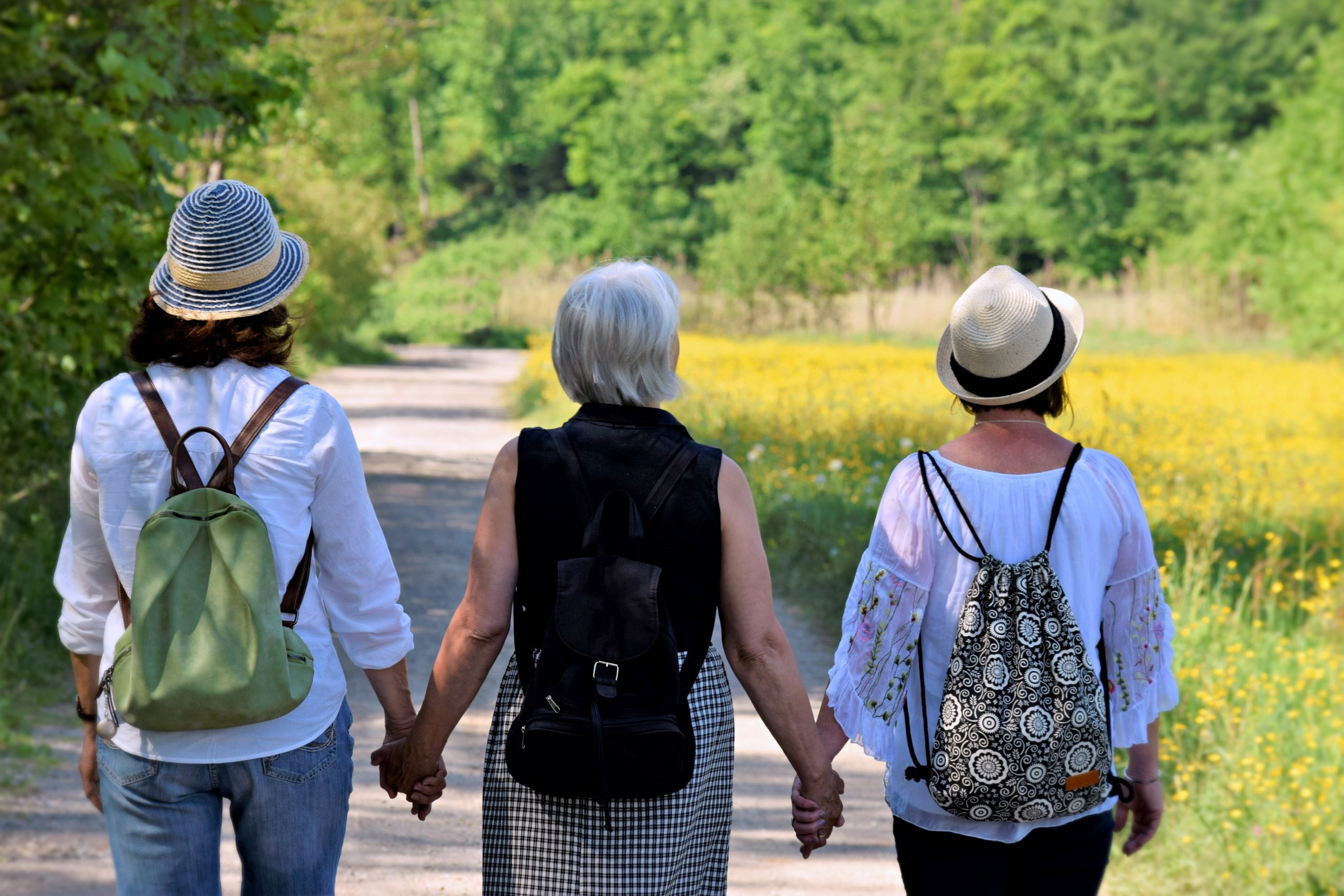
Despite a lot of poor sleep, joint-pain and not feeling as strong or motivated as in earlier years, we nevertheless found that a lot of participants were doing a lot of physical activity. This ranged from walking, biking and swimming to resistance training, yoga, dance and other kinds of physical practice. We found that many participants felt the challenges of the menopause had spurred them to prioritise self-care in a new way. As one participant put it ‘we look after ourselves’. We don’t know if this amount of self-directed learning and self-care is typical across the UK as a whole or if this is because the women who were interested enough in this topic to be willing to participate in the study had different characteristics. Again, this would be an interesting question for a larger study.