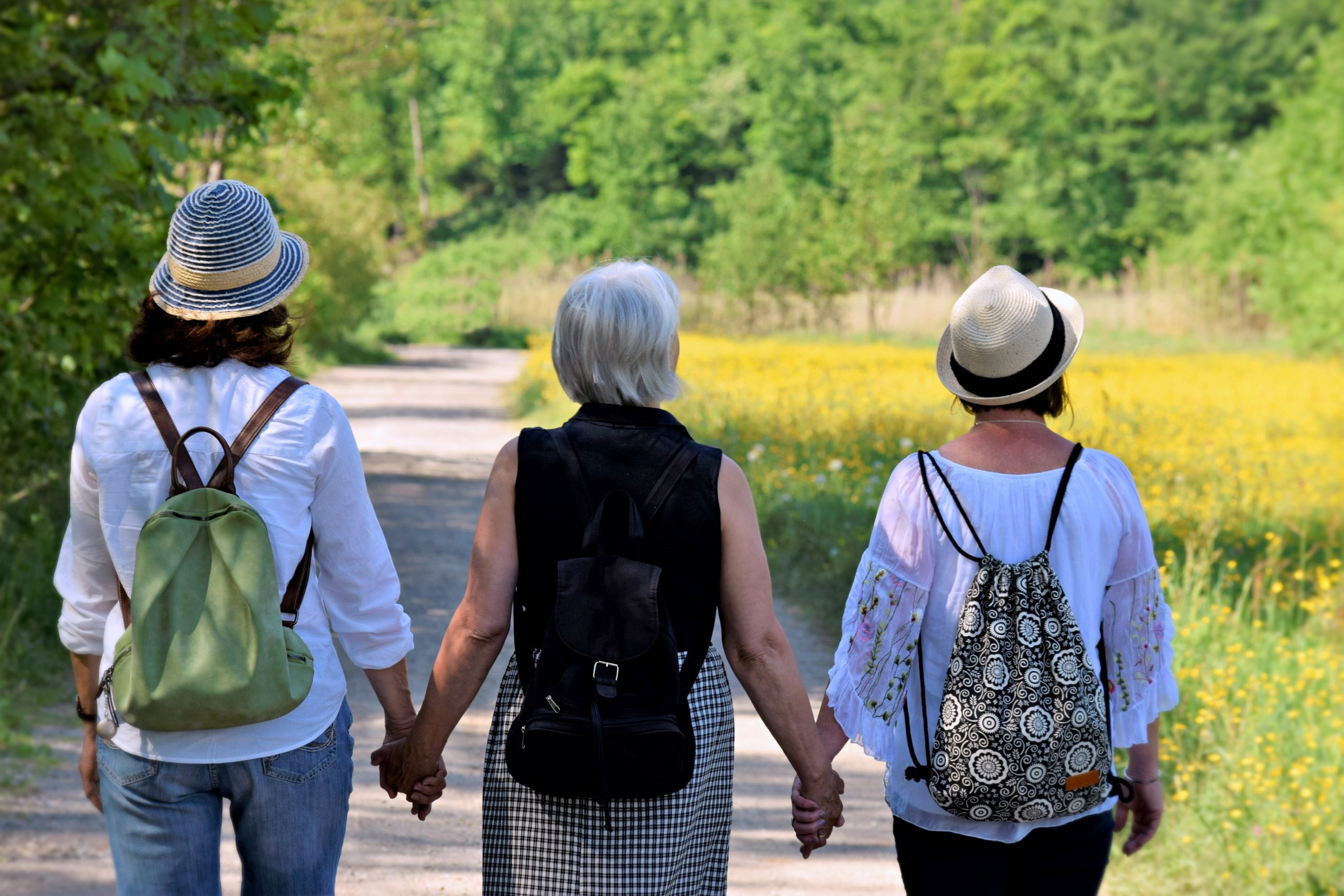
Menopause Geographies
About the project
The menopause has largely been conceptualized as a medical event in the contemporary UK: through our research we seek to reposition it as a socio-spatial one. Through interviews and focus groups with women from different parts of the UK and different social backgrounds, the project explores how women’s experiences of the menopause have (re)shaped their experiences of space and place; their understandings their bodies and bodily biographies; and their relationship to wage work, families and friends. As such this work fills a major empirical gap within geography on women’s reproductive lives, which currently focuses on experiences of pregnancy, birth and motherhood and says virtually nothing about women’s experiences of this key life stage.
This project involved interviews with 40 women across the four rural and urban study sites: London, Bristol, Stroud (Gloucestershire) and rural Monmouthshire (South Wales). Our sample represents women of different ages, across different walks of life and ethnic and cultural backgrounds; in work and retired, and with varying levels of caring responsibilities. About a third of our participants (14) were women of colour and two thirds were white.
Through their generosity in sharing their experiences with us, we have been able to create an in-depth snapshot of the menopause as a lived experience in the UK today – exploring the impacts of the menopause beyond medicalised symptoms.
Study aims
These questions are at the heart of this in-depth research aiming to share women’s everyday experiences of the peri-menopause and menopause.
- What is it like to be living with the menopause in the contemporary UK?
- How does it affect women’s relationships with their bodies and with others?
- How does it shape women’s everyday lives?
People


Nina Ross
Research Assistant